

SC Safe Home Program: How Charleston Area Homeowners Can Lower Insurance Costs with Wind Mitigation
If you own a home in the Charleston metro area, you already know that homeowners insurance premiums have been climbing. Charleston-area homeowners saw roughly a 22 percent increase in home insurance premiums from 2021 to 2024, according to Live 5 News. For many Lowcountry homeowners, from Goose Creek and Summerville to Mount Pleasant and James Island, one of the most effective strategies to potentially bring those costs down is wind mitigation.
The SC Safe Home Program is a state-run grant program administered by the South Carolina Department of Insurance that may help eligible coastal homeowners make their homes more resistant to hurricane and wind damage. And right now, South Carolina lawmakers are working to expand the program significantly through HB 4817. If you have been looking for ways to potentially reduce your homeowners insurance premiums while making your home safer, this program is worth understanding.
This blog covers how the SC Safe Home Program works, which retrofits may qualify, how much grant funding may be available, and how wind mitigation improvements may lead to insurance discounts from your carrier. For a broader look at homeowners insurance in our area, visit our complete guide: Homeowners Insurance in Charleston, SC: What Lowcountry Homeowners Need to Know in 2026.
What Is the SC Safe Home Program?
The SC Safe Home Program was established through the Omnibus Coastal Property Insurance Reform Act of 2007. The program is designed to help homeowners who live in designated South Carolina coastal counties make wind mitigation improvements to their homes. The program provides grant funding that may help offset the cost of qualifying retrofits, such as strengthening your roof, reinforcing roof-to-wall connections, or installing hurricane shutters on windows and doors.
The program is administered by the SC Department of Insurance, and applications typically open at scheduled intervals throughout the year. As of April 2026, the program began accepting new applicants on April 8, 2026. Applications open periodically, and homeowners can sign up for notifications on the SC Safe Home website to be alerted when the next application cycle begins.
It is important to understand that the SC Safe Home Program does not create an entitlement or guarantee grant funding to every applicant. Grant availability is subject to program funding, and eligibility requirements apply.
Who Is Eligible for the SC Safe Home Program?
To qualify for an SC Safe Home grant, applicants generally must meet the following criteria, subject to program rules and any changes under pending legislation:
The home must be a single-family, owner-occupied primary residence. Eligible properties include site-built, manufactured, and modular homes. The property must be a freestanding structure, meaning duplexes and multifamily units typically do not qualify. The homeowner must reside in a designated South Carolina coastal county, which includes Charleston, Berkeley, and Dorchester counties in the tri-county area. The homeowner must maintain an active homeowners insurance policy on the property. Applicants should verify any wind coverage or eligibility requirements directly with the South Carolina Department of Insurance, as program guidelines may change. The assessed or insured value of the residence generally must not exceed $300,000. The homeowner must not have previously been awarded and used a Safe Home grant. The property must have no prior storm-related damage or insurance claim payouts on the home. The property must have been the applicant's primary legal residence for no less than one taxable year before applying.
These are general eligibility guidelines based on current program information. Eligibility requirements may change, and homeowners should verify the latest criteria directly with the SC Department of Insurance before applying.
Not sure if your home qualifies or which carriers offer the best wind mitigation discounts in your area?
👉 Contact Cheri Nelson Insurance Agency at (843) 793-3168 or request a quote online and we can help you understand your options.
What Wind Mitigation Retrofits Qualify for SC Safe Home Grants?
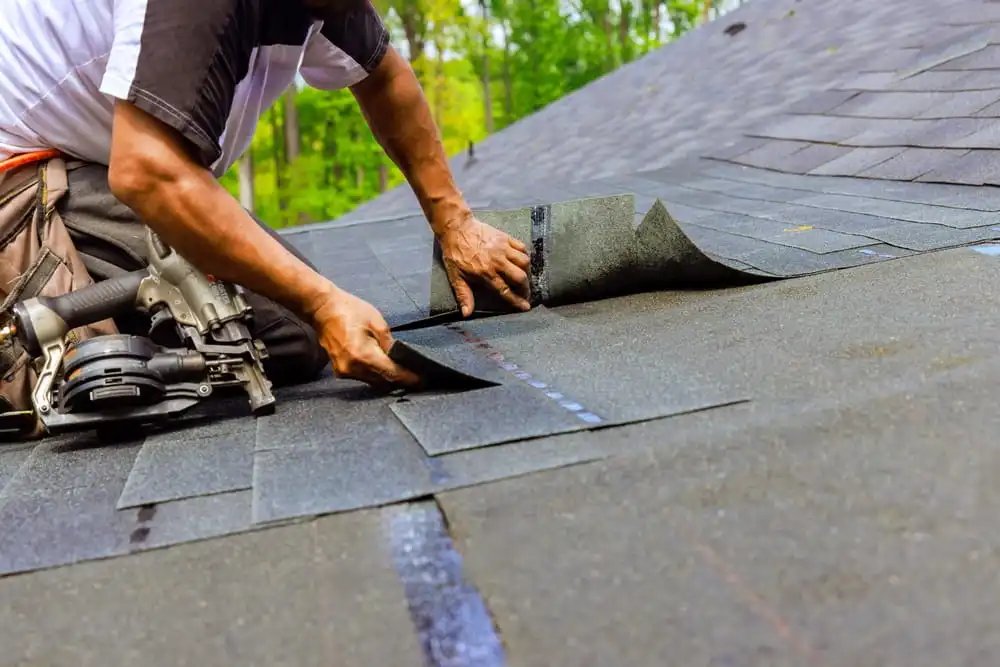
Grant funds through the SC Safe Home Program may only be used for approved mitigation retrofits that are designed to strengthen a home against wind damage. The program does not fund general home repairs, remodeling, or new room additions. Qualifying retrofits generally fall into two categories: roof retrofits and opening protection.
Roof retrofits. These may include strengthening roof deck attachment to keep roof panels secure, installing a secondary water barrier to help reduce water intrusion, upgrading to a high wind-rated roof covering, bracing gable ends to improve stability in strong winds, reinforcing roof-to-wall connections to help the roof stay attached to the walls, and strengthening weak trusses, studs, or other structural components.
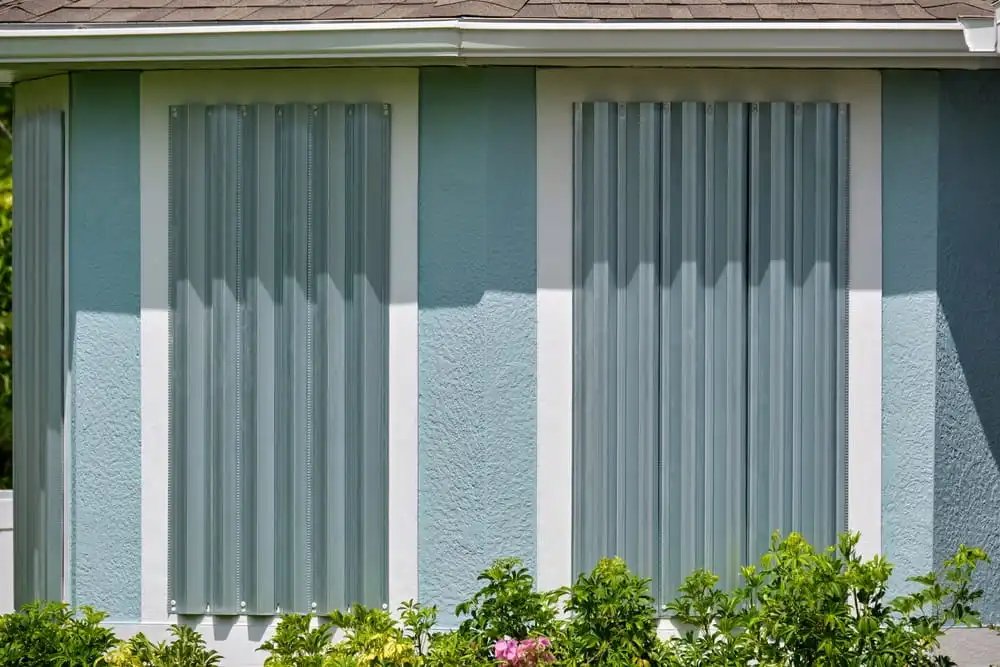
Opening protection. This category generally includes installing code-approved protection for all exterior openings such as windows, doors, and garage doors, as well as installing impact-rated or wind-rated windows, doors, and garage doors. Opening protection options may include permanently installed systems like impact-rated windows and shutters (roll, accordion, colonial, and Bahama style), as well as temporarily installed products such as aluminum or polycarbonate storm panels and approved fabric or screen products. It is worth noting that structural wood panels (plywood or OSB) are not approved as an opening protection retrofit under the SC Safe Home Program, even though they may serve as emergency temporary protection. If you are not sure how your wind or hurricane deductible works alongside these upgrades, our post on hurricane, wind/hail, and flood deductibles breaks down the differences.
Homeowners participating in the program can choose to pursue an SC Safe Home certification, an IBHS FORTIFIED ROOF designation, or both. The two pathways share nearly identical underlying construction standards. The key difference is that SC Safe Home certification requires roof-to-wall connectors, while IBHS FORTIFIED ROOF certification includes a third-party evaluation process. Pursuing both certifications at the same time may offer additional insurance-related benefits, depending on your carrier.
How Much Grant Funding Is Available?
The SC Safe Home Program offers different grant amounts depending on the type of project and whether the grant is a matching or non-matching award. Grant award amounts are also based on the cost of the mitigation project and the applicant's total annual adjusted gross household income, adjusted for family size relative to the county area median income or the state median family income, whichever is higher.
Based on current program information, the three award types are generally structured as follows:
Resilient Mitigation Award. This is for roof retrofits that meet both SC Safe Home and IBHS FORTIFIED ROOF guidelines. Non-matching grants may be available up to $7,500. Matching grants may be available up to $6,000. Dual-standard projects may offer additional insurance-related benefits, depending on your carrier and policy.
Sustainable Mitigation Award. This is for roof retrofits meeting SC Safe Home guidelines only, or for window and door opening protection upgrades meeting SC Safe Home opening protection guidelines. Non-matching grants may be available up to $5,000. Matching grants may be available up to $4,000.
Hurricane Shuttering and Protective Barrier Systems Award. This is for installation of approved hurricane shutters or protective barrier systems. Both non-matching and matching grants may be available up to $3,000.
If the cost of your mitigation project exceeds the grant amount, the homeowner is responsible for the remaining balance. It is important to know that SC Safe Home grants are disbursed on a reimbursement basis. That means the grant funds are paid after the approved improvements are completed, not before. Reimbursement checks are generally made payable to the SC Safe Home certified contractor who performed the work, and both the homeowner and contractor must complete and sign the reimbursement request form. Homeowners must also complete all recommended improvements within three months of the date on the Grant Award Notification letter.
Grant award amounts, eligibility thresholds, and program terms are subject to change. Always verify the latest details with the SC Department of Insurance.
Ready to explore whether wind mitigation could help with your insurance costs? Request a quote from Cheri Nelson Insurance Agency and ask about carriers that offer wind mitigation discounts.
How HB 4817 May Expand the SC Safe Home Program
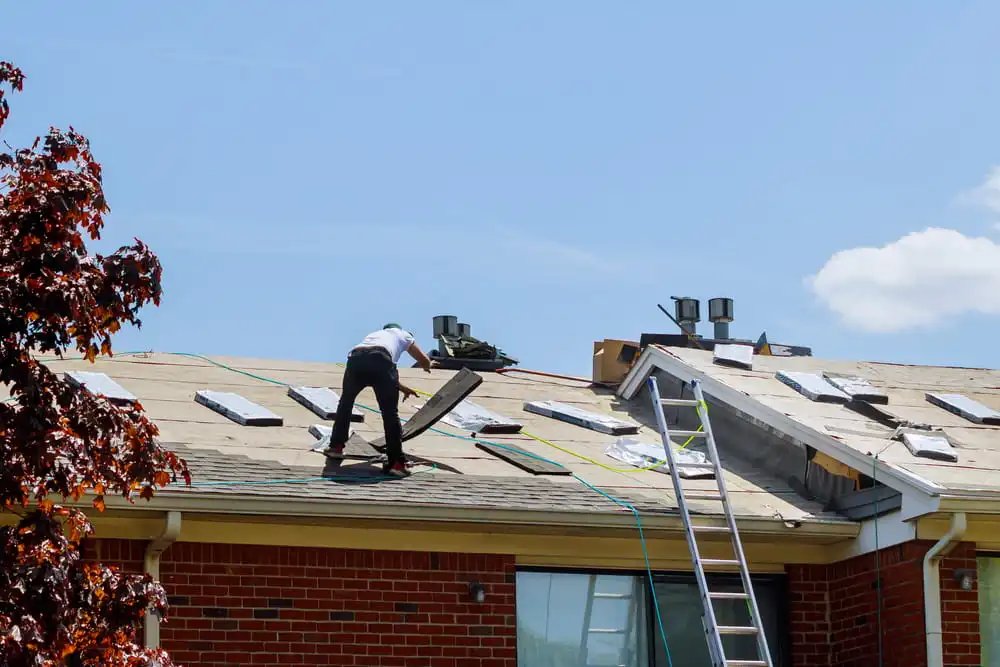
South Carolina House Bill 4817, known as the Insurance Rate Reduction and Policyholder Protection Act, passed the SC House of Representatives on April 1, 2026, with a vote of 96 to 17. It was sent to the Senate on April 7, 2026, and is currently in the Senate Banking and Insurance Committee, where a subcommittee hearing was held in mid-April 2026.
If HB 4817 becomes law, it may bring several significant changes to the SC Safe Home Program and related tax incentives for homeowners. Key provisions that may affect Charleston-area homeowners include:
Increased program funding. The bill would increase the share of insurance premium tax revenue credited to the SC Safe Home Program from 1 percent to 5 percent. Based on current premium tax revenue estimates, this could mean an additional $10.3 million per year flowing into the program, potentially allowing more homeowners to receive grants.
Higher residential retrofit tax credit. The maximum individual income tax credit for qualifying residential retrofit projects would increase from $1,000 to $2,000 under the bill. This credit is available to help offset some of the costs of a qualifying fortification project, including labor and materials. Currently, the credit is limited to 25 percent of total costs incurred or $1,000, whichever is less.
Increased excess insurance premium tax credit. The maximum individual income tax credit for excess insurance premium taxes paid for property and casualty insurance would increase from $1,250 to $3,000.
Catastrophe Savings Account expansion. The bill would expand the allowable uses of Catastrophe Savings Account funds to include SC Safe Home or IBHS-approved retrofits of insured residences.
Disaster Preparedness Sales Tax Holiday. The bill establishes an annual Disaster Preparedness Sales Tax Holiday, initially scheduled for May 2 through 4, 2026, subject to the bill's passage. This could offer homeowners an opportunity to purchase qualifying wind mitigation supplies without paying state sales tax.
HB 4817 is still pending in the Senate, and its provisions are subject to change before final passage. Homeowners should monitor the bill's progress and consult a tax professional regarding how any changes may apply to their individual situation.
How Wind Mitigation May Help Lower Your Insurance Premiums
Making wind mitigation improvements to your home may do more than make your property more resilient in a storm. Many insurance carriers in South Carolina offer premium discounts or credits for homes with documented wind mitigation features. Discount availability and amounts vary by carrier, and not all carriers offer the same discounts for the same improvements. Wind mitigation improvements do not change what a policy covers, but may impact eligibility for credits or discounts depending on the carrier.
The types of improvements that carriers may recognize when determining premium discounts generally include the same categories of work that qualify under the SC Safe Home Program: enhanced roof deck attachment, sealed roof decks (secondary water barriers), locked-down roof edges, impact-resistant roof coverings, wind-resistant and rain-resistant attic vents, roof-to-wall connectors, and approved opening protection on windows, doors, and garage doors.
As an independent insurance agency, Cheri Nelson Insurance Agency works with multiple carriers. That means we can help you compare which carriers in the Charleston, Goose Creek, Summerville, and tri-county market may offer the most favorable wind mitigation discounts for the specific improvements you have made or are planning to make. Discount availability and amounts vary by carrier, so working with an independent agent who shops across multiple companies is often the most effective way to find potential savings.
For more context on why premiums have been rising and other strategies that may help, see our related post: Why Homeowners Insurance Is So Expensive in South Carolina Right Now (And What You Can Do About It).
What to Know About the Application Process
Applying for the SC Safe Home Program involves an online portal managed by the SC Department of Insurance. Before you apply, there are a few important steps to be aware of. The Department encourages homeowners to review how the application process works and gather all required documentation before starting an application. Tutorial videos are available on the SC DOI website to walk applicants through each step.
Get a wind certification inspection first. Before submitting your application, you will need a completed wind certification inspection report. This inspection must be performed and signed by an SC Safe Home certified wind mitigation inspector. The inspector will evaluate your home and provide an itemized listing of the specific improvements that are recommended. You can find a list of certified wind inspectors on the SC Safe Home website. It is a good idea to keep copies of the inspection report, photographs, estimates, and contracts as part of your records.
Use an SC Safe Home certified contractor. The mitigation work itself must be completed by a participating SC Safe Home certified contractor. The contractor will also need to sign reimbursement paperwork once the project is finished.
Gather required documentation. Applications generally require a completed wind inspection report, proof of homeowners insurance (your declaration page), a copy of your latest county property tax assessment, a contractor's estimate signed by both the contractor and homeowner, and proof of income (your most recent signed federal income tax return). If your property is in a flood zone starting with A or V, you may also need to provide an elevation certificate. Not sure whether your property is in a flood zone? You can check FEMA's flood map service, or reach out to our team and we can help you find out. For more on flood coverage in the Lowcountry, visit our flood insurance page.
Some general tips for Charleston-area homeowners preparing to apply:
Make sure you meet the eligibility requirements listed above before starting your application. Remember that you should not enter into a contract or begin retrofit work with any contractor before receiving your official Grant Award Notification letter from the program. The application portal opens periodically, not year-round. Sign up for notifications on the SC DOI website so you do not miss the next application window. If you run into questions during the application process, the SC DOI Safe Home team can be reached at 803-737-6087 or by email at scsafehome@doi.sc.gov.
Keep in mind that receiving a grant is not guaranteed, and grant availability is subject to program funding.
Tax Credits for Wind Mitigation in South Carolina
Beyond the SC Safe Home grant itself, South Carolina currently offers two state income tax credits for qualifying fortification measures on a taxpayer's legal residence. These credits are separate from the grant program and may be available even if you did not receive an SC Safe Home grant.
Tax credit for retrofit project costs. This credit is currently available to help offset some of the costs incurred in a qualified fortification project, such as labor and material costs. The maximum credit in any taxable year is currently limited to 25 percent of total costs incurred or $1,000, whichever is less. Under HB 4817, this maximum would increase to $2,000 if the bill passes.
Tax credit for retrofit supplies. South Carolina taxpayers may also be eligible for a credit of up to $1,500 against the state sales or use taxes paid on purchases of tangible personal property used in a qualifying fortification project.
Qualifying fortification projects generally include roof covering construction, roof attachment, roof-to-wall connections, secondary water resistance, and opening protections. Projects must follow prescribed standards as outlined in the SC Safe Home Resource Document for Mitigation Techniques. Ordinary repair or replacement of existing items that do not increase a residence's storm resistance, as well as new construction, are generally not eligible for these tax credits.
Individuals claiming these credits must maintain evidence that the fortification measures were implemented and keep receipts for associated costs. Tax form SC SCH.TC-43 is available from the South Carolina Department of Revenue for claiming these credits. As with any tax matter, homeowners should consult a tax professional for guidance on their individual situation.
Whether you're applying for an SC Safe Home grant or planning wind mitigation improvements on your own, we can help you compare carriers and find coverage that reflects the upgrades you've made.
👉 Contact Cheri Nelson Insurance Agency at (843) 793-3168 or request a quote online and we can help you understand your options.
Frequently Asked Questions About the SC Safe Home Program
What is the SC Safe Home Program?
The SC Safe Home Program is a state-run grant program administered by the South Carolina Department of Insurance. It may provide grant funding to eligible homeowners in designated coastal counties, including Charleston, Berkeley, and Dorchester counties, to help offset the cost of wind mitigation retrofits to their homes. Eligibility requirements apply, and grant availability is subject to program funding.
Who qualifies for the SC Safe Home Program in the Charleston area?
To be eligible, homeowners generally must live in a designated SC coastal county, own and occupy the home as a primary residence for at least one taxable year, maintain an active homeowners insurance policy (including wind coverage), and not have previously received a Safe Home grant. The property must be a single-family, freestanding structure (site-built, manufactured, or modular) with an assessed or insured value that generally does not exceed $300,000. The property must have no prior storm-related damage claims. Requirements may change, so verify current eligibility with the SC DOI.
How much money can I get from an SC Safe Home grant?
Grant amounts vary by project type. Resilient Mitigation Awards may offer up to $7,500 in non-matching grants. Sustainable Mitigation Awards may offer up to $5,000. Hurricane Shuttering Awards may offer up to $3,000. Amounts also depend on household income relative to the county or state median. These figures are subject to change.
What improvements qualify for SC Safe Home grants?
Qualifying retrofits generally include roof deck attachment strengthening, secondary water barriers, high wind-rated roof coverings, gable end bracing, roof-to-wall connections, and code-approved opening protection for windows, doors, and garage doors. General repairs, remodeling, and structural wood panels (plywood or OSB) do not qualify.
Will wind mitigation lower my homeowners insurance in South Carolina?
Many carriers in South Carolina may offer premium discounts for documented wind mitigation features. The type and amount of discount vary by carrier and the specific improvements made. Working with an independent insurance agent who can shop across multiple carriers is often the most effective way to identify potential savings. No specific premium reduction is guaranteed.
What is HB 4817 and how does it affect the SC Safe Home Program?
HB 4817 is the Insurance Rate Reduction and Policyholder Protection Act. It passed the SC House in April 2026 and is currently in the Senate Banking and Insurance Committee. If enacted, it may increase SC Safe Home Program funding by approximately $10.3 million per year, raise the residential retrofit tax credit from $1,000 to $2,000, and establish an annual Disaster Preparedness Sales Tax Holiday, among other provisions. The bill is still pending and its provisions are subject to change.
What is the difference between SC Safe Home and IBHS FORTIFIED ROOF?
Both pathways are based on nearly identical construction standards for wind mitigation. The main difference is that the SC Safe Home program requires roof-to-wall connectors, while IBHS FORTIFIED ROOF certification includes a third-party evaluation and results in a nationally recognized designation. Homeowners can pursue both certifications at the same time, which may offer additional insurance-related benefits depending on the carrier.
When can I apply for the SC Safe Home Program?
Applications open periodically throughout the year based on program funding and availability. Homeowners can sign up for notifications through the SC Department of Insurance to be alerted when new application windows open.
Protect Your Home and Potentially Lower Your Insurance Costs
Wind mitigation is one of the most practical steps a Lowcountry homeowner can take. It may help make your home more resilient to the hurricanes and strong storms that come with living along the South Carolina coast, and it may open the door to insurance discounts that could help offset your premium over time.
If you are a homeowner in Goose Creek, Charleston, Summerville, Moncks Corner, North Charleston, Mount Pleasant, West Ashley, Daniel Island, Hanahan, or James Island, we would be glad to help you understand how wind mitigation improvements may affect your insurance options. As an independent agency, we work with multiple carriers and can help you compare policies to find coverage that fits your needs and budget.
Call Cheri Nelson Insurance Agency at (843) 793-3168 or request a quote online to learn more about homeowners insurance options for your Lowcountry home.
DISCLAIMER
This article is for general informational purposes only and is not a complete description of coverage, eligibility, or program terms. Coverage, discounts, and program availability vary by carrier and are subject to policy terms, conditions, limitations, and exclusions. The information in this article is provided for general educational purposes only and does not constitute insurance, legal, or financial advice. Coverage availability, terms, conditions, limits, and exclusions vary by policy, carrier, state, and individual underwriting. Policy descriptions are illustrative; actual coverage is governed by the policy contract. South Carolina insurance requirements and carrier practices are subject to change. No specific savings, premium reductions, or coverage outcomes are guaranteed. For guidance on your specific situation, please speak with a licensed agent at Cheri Nelson Insurance Agency.