

Why Is Homeowners Insurance So Expensive in South Carolina? What Charleston-Area Homeowners Can Do About It
If you are a homeowner in South Carolina, especially in the Charleston metro area, you have almost certainly noticed your homeowners insurance premium climbing over the past few years. You are not imagining it, and you are not alone.
Charleston-area homeowners saw a roughly 22 percent increase in home insurance premiums from 2021 to 2024, according to Live 5 News. Statewide, the Consumer Federation of America estimates South Carolina families are paying about 17 percent more for home insurance than they were just three years ago, which works out to an average increase of approximately $400 per year. Some homeowners have reported their premiums doubling after a single renewal cycle.
This is not a one-year spike. It is the result of several forces hitting the market at the same time, and understanding what is behind the increases is the first step toward doing something about them. This article is a general overview and is not a complete description of all coverages, exclusions, or policy provisions.
How Much Does Homeowners Insurance Cost in South Carolina Right Now?
Homeowners insurance costs in South Carolina vary depending on the source, coverage level, and property, but several recent data points help frame where things stand.
The average annual homeowners insurance premium in South Carolina is estimated to fall somewhere between $2,004 and $3,100 per year depending on the source and the coverage level used to calculate the average. For a policy with $300,000 in dwelling coverage and a $1,000 deductible, estimates from national publications range from roughly $2,004 to $3,979 per year.
In the Charleston metro area specifically, premiums tend to run higher than the statewide average due to hurricane, wind, and flood exposure. Homeowners in Goose Creek, Summerville, Moncks Corner, and North Charleston may pay somewhat less than those on James Island, Mount Pleasant, or the barrier islands, but tri-county properties still carry meaningful coastal risk that typically affects pricing.
The bottom line: South Carolina is consistently ranked among the more expensive states in the country for homeowners insurance, and the Charleston area is generally among the most expensive markets within the state.
For a more detailed breakdown of Charleston-area costs and coverage, see our full guide: Homeowners Insurance in Charleston, SC: What Lowcountry Homeowners Need to Know in 2026
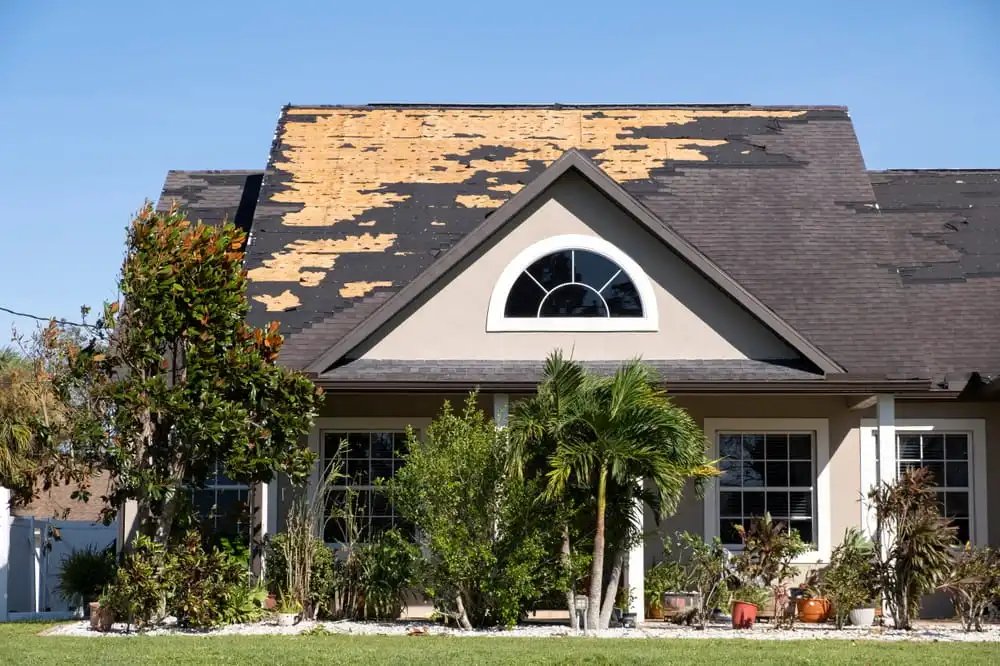
What Is Driving Homeowners Insurance Rates Up in South Carolina?
There is no single reason your premium has gone up. The increase is the result of multiple forces compounding at the same time. Here is what is happening and why it matters to homeowners in the Lowcountry.
Carriers Are Paying Out More Than They Collect
At the end of 2024, the combined ratio for homeowners insurance in South Carolina was approximately 144 percent, as reported by Live 5 News. That means for every dollar of premium collected, insurance companies paid out roughly $1.44 in claims and operating expenses.
When carriers lose money consistently, they generally have three options: raise rates, tighten underwriting standards to accept fewer policies, or reduce their presence in the state. All three have been happening in South Carolina over the past several years. Fewer carriers competing for your business typically means less downward pressure on pricing.
Severe Weather Is Becoming More Frequent and More Costly
South Carolina's position along the Atlantic coast makes it vulnerable to hurricanes, tropical storms, heavy rain events, and hailstorms. Even in years without a direct hurricane hit, the Lowcountry experiences severe convective storms that may generate thousands of individual claims.
Nationally, severe convective storms caused more than $52 billion in insured losses in 2025 alone, the third-highest total on record according to Insurify. South Carolina is not isolated from this trend. Each storm season adds to the cumulative loss data that carriers use to price policies across the state.
Rebuild Costs Have Climbed Significantly
The cost of materials and labor for home construction and repair has increased substantially since 2020. When it costs more to rebuild a damaged home, carriers generally need to charge more in premium to cover that risk.
This affects your dwelling coverage limit directly. If your coverage amount has not kept pace with actual rebuild costs, you may be underinsured. If your dwelling coverage falls below 80 percent of your home's replacement cost, many policies include a co-insurance provision that may reduce your claim payout. On the other hand, carriers adjusting your dwelling coverage upward to keep pace with inflation also typically increases your premium.
Either way, rising construction costs tend to push premiums higher.
Insurance Fraud Is a Measurable Problem in South Carolina
Insurance fraud is a real factor in South Carolina's rate environment. The state is ranked ninth in the nation for staged vehicle accidents, and questionable roofing claims increased approximately 90 percent from 2023 to 2024, according to a National Insurance Crime Bureau presentation delivered to the South Carolina Statehouse.
Fraudulent claims increase the total amount carriers pay out, which contributes to higher combined ratios and ultimately higher premiums for all policyholders. A significant portion of House Bill 4817 (discussed below) is dedicated to strengthening fraud enforcement specifically because of this issue.
Some Carriers Are Leaving or Reducing Their Presence
When the math does not work for insurance companies, they leave. Several national and regional carriers have scaled back the number of policies they write in hurricane-prone areas of South Carolina. Some have reportedly stopped writing new homeowners policies in certain coastal counties altogether.
Fewer carriers in the market generally means less competition, which typically means homeowners have fewer options and the remaining carriers face less pressure to offer competitive rates. This dynamic is especially pronounced in Charleston, Berkeley, and Dorchester counties.
Credit Scores Have an Outsized Impact
South Carolina is one of the states that allows carriers to use credit-based insurance scores when setting homeowners insurance premiums. The impact can be dramatic. According to one industry analysis, homeowners with poor credit may pay an average of approximately $13,805 annually, while those with excellent credit may pay approximately $1,822 for comparable coverage. Individual results vary significantly based on coverage level, property characteristics, and carrier, but credit is consistently one of the most influential rating factors in the state.
This is one of the most significant but least-discussed factors behind what many homeowners experience as "expensive" insurance in South Carolina.

What Is the State Doing About It?
The South Carolina legislature is actively working on insurance reform. As of this article's publication on April 28, 2026, House Bill 4817 — the Insurance Rate Reduction and Policyholder Protection Act — had passed the South Carolina House on April 1, 2026, with a vote of 96-17 and had been sent to the Senate on April 7, where it was under review by the Senate Banking and Insurance Committee. Legislative status changes frequently; for the current status of HB 4817, visit the South Carolina Legislature website.
Here is what HB 4817 proposes:
Expanded fraud enforcement. The bill would increase the Department of Insurance's fraud oversight, investigation, and enforcement responsibilities. It would add additional SLED agents and attorneys dedicated to insurance fraud cases. It also specifically targets contractor-driven roofing fraud by prohibiting contractors from advertising or offering to pay or rebate an insurance deductible as an inducement to sell roofing services. This practice has been a significant driver of fraudulent claims in the state.
Expanded SC Safe Home Program. The bill would increase the share of insurance premium tax revenue directed to the SC Safe Home Program from 1 percent to 5 percent, which is estimated to transfer an additional $10.3 million per year to the program. The Safe Home Program provides grants to help eligible homeowners near the coast strengthen their homes against wind damage. Eligibility requirements and grant availability are subject to program funding.
Larger tax credits for homeowners. The residential retrofit tax credit for wind mitigation improvements would increase from $1,000 to $2,000 per taxpayer. The maximum individual income tax credit for excess insurance premium taxes paid would increase from $1,250 to $3,000. These credits are subject to individual tax situations and eligibility requirements.
Expanded Catastrophe Savings Account uses. The bill would broaden the allowable uses of Catastrophe Savings Account funds to include SC Safe Home or Insurance Institute for Business and Home Safety approved retrofits.
Disaster Preparedness Sales Tax Holiday. The bill proposes an annual sales tax holiday for disaster preparedness items. The initial holiday is scheduled for May 2-4, 2026, subject to the bill's passage.
It is important to understand that this bill does not directly cap or reduce insurance premiums. SC Department of Insurance Director Michael Wise has been clear on this point: the reforms are designed to put downward pressure on rates over time by reducing fraud, encouraging mitigation, and attracting more carriers to the state. Whether that translates to lower premiums for individual homeowners will depend on how the market responds. There are no guarantees that this legislation will result in lower rates for any specific policyholder.
What Can You Do Right Now to Lower Your Homeowners Insurance Costs?
You do not have to wait for legislation to take effect to start bringing your costs down. There are several practical steps that may help reduce your premium, depending on your carrier and policy.
Work with an independent agent who shops multiple carriers. This is often the single most impactful step a homeowner can take. The spread between the lowest and highest premiums in South Carolina for comparable coverage can be thousands of dollars per year. An independent agent can compare options across multiple carriers and may find a more competitive rate for your specific property and risk profile. A captive agent who represents only one company typically cannot offer this flexibility.
Bundle your home and auto insurance. Many carriers offer a multi-policy discount, often in the range of 10 to 25 percent, when you combine your homeowners and auto insurance. Discount availability and amounts vary by carrier.
Invest in wind mitigation improvements. Upgrading your roof, installing hurricane shutters or impact-resistant windows, and reinforcing your roof deck attachment may qualify for premium credits with certain carriers. The SC Safe Home Program may offer grants to help offset some of these costs for eligible homeowners. If HB 4817 passes, the tax credit for these improvements would increase to $2,000 per taxpayer. Eligibility requirements and credit amounts vary.
Maintain or improve your credit score. Given how heavily South Carolina carriers may weight credit-based insurance scores, improving your credit could be one of the more effective ways to lower your premium over time. Paying down revolving debt, correcting errors on your credit report, and maintaining consistent payment history may all contribute to a better insurance score.
Keep your roof in good condition. A newer roof, or one that is well within its expected lifespan, may help you qualify for better rates and more carrier options. If your roof is approaching 15 to 20 years old, carriers may begin to limit your coverage options or increase your premium. Replacing an aging roof before it becomes a claim issue may pay for itself in lower premiums over time, though results vary by property and carrier.
Raise your deductible strategically. Increasing your standard deductible from $1,000 to $2,500 may reduce your premium, in some cases by 10 to 20 percent. Just make sure you can comfortably afford the higher out-of-pocket amount if you need to file a claim. Savings vary by carrier and policy.
Maintain a claims-free history. In South Carolina, one claim may increase your annual premium by approximately $494 on average, and two claims may increase it by approximately $909 above what a claims-free homeowner would typically pay, according to MoneyGeek. Those elevated premiums may last for approximately five years on your record. If a repair is minor and close to your deductible amount, it may be worth paying out of pocket rather than filing a claim that could affect your premium at renewal.
Ask about every available discount. New home discounts, paid-in-full discounts, monitored alarm system credits, paperless billing, and loyalty credits are commonly available but not always applied automatically. A thorough agent typically reviews every possible discount at quoting and at every renewal.
👉 Not sure if you're getting every discount available? Request a free home insurance review →

Should You Drop Your Homeowners Insurance to Save Money?
It is tempting when premiums jump to consider dropping coverage altogether, especially if your home is paid off and there is no lender requiring it.
This is generally a significant risk, particularly in the Lowcountry. The Consumer Federation of America estimates that roughly 9 percent of South Carolina homeowners have dropped their coverage due to cost, and those are disproportionately lower-income homeowners and homeowners in areas most vulnerable to storm damage.
A single hurricane, fire, or major hail event could result in tens or hundreds of thousands of dollars in uninsured damage. If you carry a mortgage, your lender typically requires homeowners insurance and may force-place a policy at a much higher rate if you allow yours to lapse. Even without a mortgage, going uninsured means you would be absorbing the full financial impact of any loss yourself.
Rather than dropping coverage, the better approach is typically to work with an independent agent who can shop your coverage, adjust your deductible, and identify every available discount to help get your premium to a more manageable level.
Why an Independent Agency Matters More Right Now Than Usual
In a stable insurance market, where carriers are competing for business and rates are relatively flat, the difference between a captive and independent agent may be modest. In the current South Carolina market, where carriers are raising rates, tightening underwriting, non-renewing coastal policies, and leaving the state, the difference can be significant.
An independent agency represents multiple carriers. If your current carrier significantly raises your rate or non-renews your policy, your independent agent may be able to shop the replacement across their network without you starting from scratch.
At Cheri Nelson Insurance Agency, we are based in Goose Creek and serve homeowners across the tri-county area, including Charleston, Summerville, North Charleston, Moncks Corner, Mount Pleasant, West Ashley, James Island, Daniel Island, Hanahan, and the surrounding Lowcountry. We have access to more than 10 homeowners insurance carriers that write in the area, and we re-shop your policy at every renewal to help make sure you are still getting a competitive rate for the coverage you need.
👉 Request a home insurance quote → or call (843) 793-3168.
Frequently Asked Questions
Why is homeowners insurance so expensive in South Carolina?
Multiple factors are converging at the same time: hurricane and severe weather exposure, a combined ratio near 144 percent (meaning carriers are paying out more than they collect), rising rebuild costs, increased insurance fraud, and some carriers reducing their presence in the state. South Carolina's allowance of credit-based insurance scoring also creates significant premium variation between homeowners. The result is a market where premiums have generally increased substantially over the past several years, with Charleston-area homeowners typically hit especially hard.
How much has homeowners insurance gone up in South Carolina?
Charleston-area homeowners reportedly saw a roughly 22 percent increase heading into 2026. Statewide, the Consumer Federation of America estimates that South Carolina families are paying approximately 17 percent more than they were three years ago. Nationally, homeowners insurance premiums reportedly rose about 26 percent over a one-year period according to one analysis. Individual experiences vary widely depending on location, carrier, claims history, and property characteristics.
What is HB 4817 and will it lower my insurance rates?
House Bill 4817 is the Insurance Rate Reduction and Policyholder Protection Act. It passed the South Carolina House in April 2026 and is currently before the Senate Banking and Insurance Committee. The bill aims to expand fraud enforcement, increase funding for the SC Safe Home Program, raise tax credits for wind mitigation improvements, and create a disaster preparedness sales tax holiday. The bill does not directly cap or reduce premiums, but it is designed to put downward pressure on rates over time. There is no guarantee that this legislation will lower any individual homeowner's premium. Whether individual homeowners see lower costs will depend on how the market responds.
What is the SC Safe Home Program?
The SC Safe Home Program provides grants to help eligible South Carolina homeowners make wind mitigation improvements to their homes, such as roof reinforcement, hurricane shutters, and opening protection. The program is designed to help reduce wind damage and, in turn, may help lower insurance costs over time. HB 4817 proposes significantly increasing the program's funding. Eligibility requirements apply, and grant availability is subject to program funding. Visit the SC Department of Insurance for current program details.
How can I lower my homeowners insurance in Charleston, SC?
The most commonly effective strategies include working with an independent agent who shops multiple carriers, bundling home and auto insurance, maintaining or improving your credit score, upgrading your roof or investing in wind mitigation features, raising your deductible, maintaining a claims-free history, and asking about every available discount. Results vary by property and carrier, and no specific savings amount can be guaranteed. Request a free review to see if there may be savings available on your current policy.
Is it worth switching homeowners insurance companies in SC?
It may be, especially in the current market. The difference between the lowest and highest premiums in South Carolina for comparable coverage can be thousands of dollars per year. If your premium has increased significantly at renewal, or if you have not had your coverage shopped across multiple carriers recently, it may be worth getting competitive quotes. An independent agent can typically handle this process for you without creating any gap in coverage. For a step-by-step guide, see our post on How to Switch Auto Insurance in Charleston, SC. The process is similar for homeowners insurance.
DISCLAIMER
The information in this article is provided for general educational purposes only and does not constitute insurance, legal, or financial advice. Coverage availability, terms, conditions, limits, and exclusions vary by policy, carrier, state, and individual underwriting. Policy descriptions are illustrative; actual coverage is governed by the policy contract. South Carolina insurance requirements and carrier practices are subject to change. Legislative information is current as of the date of publication and is subject to change as bills move through the legislative process. No specific savings, premium reductions, or coverage outcomes are guaranteed. For guidance on your specific situation, please speak with a licensed agent at Cheri Nelson Insurance Agency.
About the Author: Cheri Nelson
Cheri Nelson is the founder of Cheri Nelson Insurance Agency, an independent agency serving Charleston, Goose Creek, and the greater Lowcountry since 2013. Cheri works with personal auto, home, flood, umbrella, and business insurance carriers to help South Carolina clients build coverage that reflects their real situation.