

Does Auto Insurance Cover That? 10 Questions Charleston Drivers Ask About Their Policy
In 13 years of writing auto insurance policies across Charleston and the Lowcountry, I've noticed the same questions come up over and over. A tropical storm rolls through and three clients call about hail. Someone's windshield cracks on I-26 and they're not sure if it's covered. Their kid goes on spring break and rents a car in Orlando. A credit check affects a quote and the client wants to know why.
Here's the problem: when you search these questions online, you usually get a generic national answer written for someone who isn't in South Carolina. That's not always helpful. SC has its own insurance rules, its own weather risks, and its own carrier landscape. The answer for a Charleston driver parked under a hundred-year oak isn't the same as the answer for a driver in Phoenix.
This guide walks through the 10 auto insurance questions I hear most often from Charleston-area clients, with the Lowcountry context national sites skip. Coverage terms, conditions, limits, and exclusions vary by policy and carrier, so use this as a framework and talk to a licensed agent about your specific policy.
1. Does Auto Insurance Cover Hail Damage?
Short answer: yes, if you carry comprehensive coverage. If you carry liability-only, no.
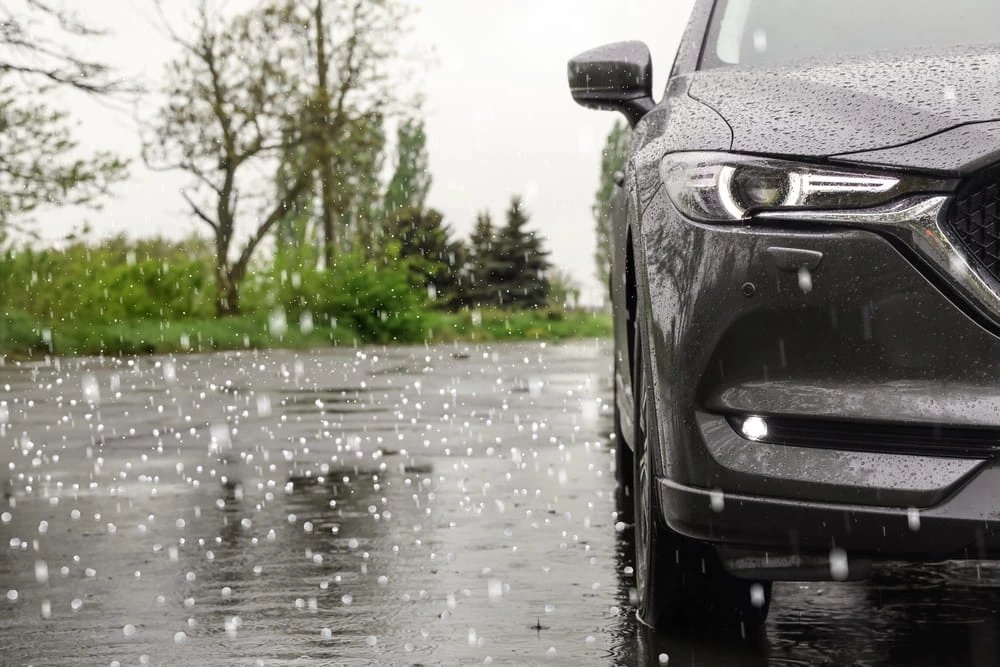
Hail is one of the most common comprehensive claims in the Southeast. Tropical storms, severe thunderstorms, and the occasional spring hailstorm can dent a hood, crack a windshield, or total a vehicle in minutes. Comprehensive coverage is designed to help address hail damage, typically subject to your chosen deductible.
Two things Charleston drivers should know about hail claims specifically:
- Filing a hail claim does not typically increase your premium the way an at-fault collision would. Comprehensive claims are classified as weather-related, and most carriers treat them differently than driver-caused losses. That varies by carrier.
- Hail deductibles may be separate from your standard comprehensive deductible on some carriers, especially in high-hail states. Worth asking your agent to confirm.
If your vehicle is financed or leased, you almost certainly already have comprehensive — lenders require it. If you own the vehicle outright and dropped comprehensive to save money, a single Lowcountry hailstorm can cost you more out of pocket than years of premium would have.
For a deeper breakdown of how comprehensive coverage fits into a full auto policy, see our guide on what is full coverage auto insurance in Charleston.
2. Does Auto Insurance Cover a Cracked or Broken Windshield?
Yes, glass damage is generally addressed under comprehensive coverage, subject to your deductible. A few local notes:
- Some carriers offer a lower glass deductible or a glass waiver as an add-on or by default, meaning repair of a chip or crack may be at no cost to you (the carrier covers the repair without requiring you to meet your full deductible).
- Glass repair is almost always cheaper than glass replacement. Many carriers waive the deductible for repair but apply it for replacement.
- Highway 17, I-26, and I-526 all produce their share of debris strikes. If you commute those corridors, a glass waiver endorsement is worth asking about on your next renewal.
Without comprehensive coverage, windshield damage is an out-of-pocket expense. Replacement on a modern vehicle with lane-keep cameras or rain sensors can run $800-$1,500 or more; these aren't the simple glass swaps they were 15 years ago.
3. Does Auto Insurance Cover Theft of My Vehicle?
Yes, if you carry comprehensive coverage. Theft is one of the core events comprehensive is designed to address. That includes:
- Theft of the entire vehicle
- Theft of permanently attached parts (catalytic converter, wheels, stereo if factory-installed)
- Damage caused during a break-in attempt (broken windows, damaged locks)
What comprehensive typically does not cover: personal belongings stolen from inside the vehicle. A laptop, phone, golf clubs, or groceries taken from a parked car are usually addressed by your homeowners or renters insurance, not your auto policy, subject to your personal property deductible.
That's an important distinction for Charleston drivers who park downtown, in tourist areas, or at long-term airport lots. Your auto policy handles the car; your home/renters policy handles what's inside the car.
4. Does Auto Insurance Follow the Car or the Driver in SC?
In South Carolina, insurance generally follows the car. Meaning: if you lend your car to a friend and they cause an accident, your auto policy is typically the first to respond, not your friend's policy.
A few qualifications:
- Permissive use matters. Coverage typically applies when the driver had your permission (express or implied). An unauthorized driver is a different analysis.
- The friend's policy may come into play as secondary coverage if damages exceed your policy limits.
- Excluded drivers — if someone in your household is formally excluded or unlisted from your policy, coverage may not apply if they drive the vehicle.
This is why lending your car to someone casually isn't as low-risk as it feels. If they cause a serious accident, your policy limits are on the line, not theirs. Worth thinking twice about before handing over the keys.
5. Does My Auto Insurance Cover Rental Cars?
Usually, yes, your existing auto policy typically extends to rental vehicles you drive for personal use. That means your liability, collision, and comprehensive coverage generally follow you into a rental in most scenarios, subject to your policy terms and conditions.
What that extension does typically include:
- The same liability limits you carry on your own vehicle
- Collision and comprehensive, if you carry them on your own vehicle
- Uninsured motorist coverage
What it typically does not include:
- Loss of use — the rental company may charge you for the days the car is out of service being repaired after a claim. Your personal policy may not address this.
- Diminished value — the drop in rental vehicle resale value after a claim
- Administrative fees the rental company tacks on
- Exotic or high-value rentals — many personal policies exclude vehicles over a certain value threshold
- Business-use rentals — personal auto policies often exclude commercial purposes
That's why the rental counter agent's aggressive pitch for Loss Damage Waiver (LDW) isn't always a scam. For a multi-week rental, a high-value vehicle, or a business trip, the counter coverage may actually be worth it. For a standard weekend rental with a typical personal auto policy, usually not.
Also worth noting: many credit cards provide secondary rental car coverage as a cardholder benefit if you pay for the rental with the card. Check your card terms before declining the counter coverage.
6. Does My Credit Score Affect Auto Insurance in South Carolina?
Yes. Insurance scoring is permitted in South Carolina, and most carriers use a version of it when pricing auto policies. To be clear:
- Insurance scores are not identical to credit scores, but they're calculated using similar underlying data
- Insurance scoring considers factors like credit history length, payment history, outstanding debt, and credit mix
- A lower insurance score typically results in a higher premium, sometimes significantly higher
If you've improved your credit in the past year or two, that's a legitimate reason to re-shop your auto insurance. You may qualify for better pricing than your current carrier applied at your original quote.
A handful of states have banned or restricted insurance scoring in auto rating. SC is not one of them. If credit is part of your profile, it's part of your rate.
This is one of the under-discussed reasons to shop your auto insurance annually, even if nothing else has changed. Your credit tier may have shifted in ways that affect what a different carrier would charge you.
7. What Is a Declaration Page — and Why Does It Matter?
Your declaration page (or "dec page") is the summary sheet at the front of your policy packet. It lists:
- The vehicles covered
- The drivers listed on the policy
- The coverages you carry (liability, collision, comprehensive, UM, etc.)
- The limits for each coverage
- Your deductibles
- Your premium and term
- Any endorsements or add-ons
If you've never read yours, you're not alone. Most drivers haven't. But the dec page is where every meaningful conversation about your coverage starts. Your carrier's app usually has a PDF version you can download in under a minute.
When you shop for a new auto policy, having your current dec page in front of you is how you avoid accidentally downgrading coverage to save money. Matching limits and deductibles across quotes is the only way to make an apples-to-apples comparison.
If you're actively thinking about switching carriers, our guide on how to switch auto insurance in Charleston walks through the process step-by-step, starting with the dec page review.

8. How Long Does It Take to Get Auto Insurance?
In South Carolina, new auto insurance can typically be bound the same day you apply, often within minutes. A few realities:
- Online direct-buy: often 10-20 minutes from quote to bound policy
- Through an independent agent: often same-day, especially if you have your current dec page handy
- Proof of insurance (ID cards) is usually available digitally immediately upon binding
- Physical ID cards may arrive in the mail 5-10 business days later — digital is sufficient for traffic stops and the SCDMV
What can slow things down:
- Recent tickets, accidents, or DUIs that require underwriting review
- A lapse in prior coverage that some carriers treat as a surcharge trigger
- Complex household situations (excluded drivers, SR-22/FR-44 filings, multiple young drivers)
- Financed or leased vehicles that require lienholder verification
If you're switching carriers and timing matters (to avoid any gap between old and new coverage), work with an agent who can coordinate the effective dates precisely. Even a 24-hour lapse can create problems, we wrote about this in detail in the switching auto insurance guide.
9. Can I Get Auto Insurance Without a License — or with a Suspended License?
Yes, though it's more complicated than a standard application.
Without a license at all (non-owner situations, or a household member who doesn't drive): coverage is typically possible if you're listing another licensed driver as the primary operator, or if you're adding a vehicle to a household policy where another licensed driver will drive it.
With a suspended license: coverage is still possible, but the process changes. South Carolina often requires SR-22 filing (or FR-44 in certain circumstances), a certificate your carrier files with the SCDMV to prove financial responsibility. This is common after:
- DUI/DWI convictions
- Driving without insurance
- At-fault accidents with uninsured drivers
- Multiple serious traffic violations
Not every carrier writes SR-22 policies, and those that do typically charge higher premiums for the duration of the filing requirement (usually three years in SC). An independent agent can help identify which carriers are actively writing SR-22 policies in South Carolina rather than having you call each one yourself.
10. Does Auto Insurance Cover Hurricane and Flood Damage?
Yes, comprehensive coverage is typically designed to help address hurricane and flood damage to your vehicle. This is one of the most important pieces for Lowcountry drivers to understand.
Here's where it gets nuanced:
- Auto comprehensive addresses flood damage to your vehicle (wind, storm surge, flooded intersections, falling debris, tree limbs)
- Homeowners flood insurance addresses flood damage to your home and its contents
- These are two entirely separate policies. Flood insurance on your home does nothing for your car; comprehensive on your car does nothing for your house.
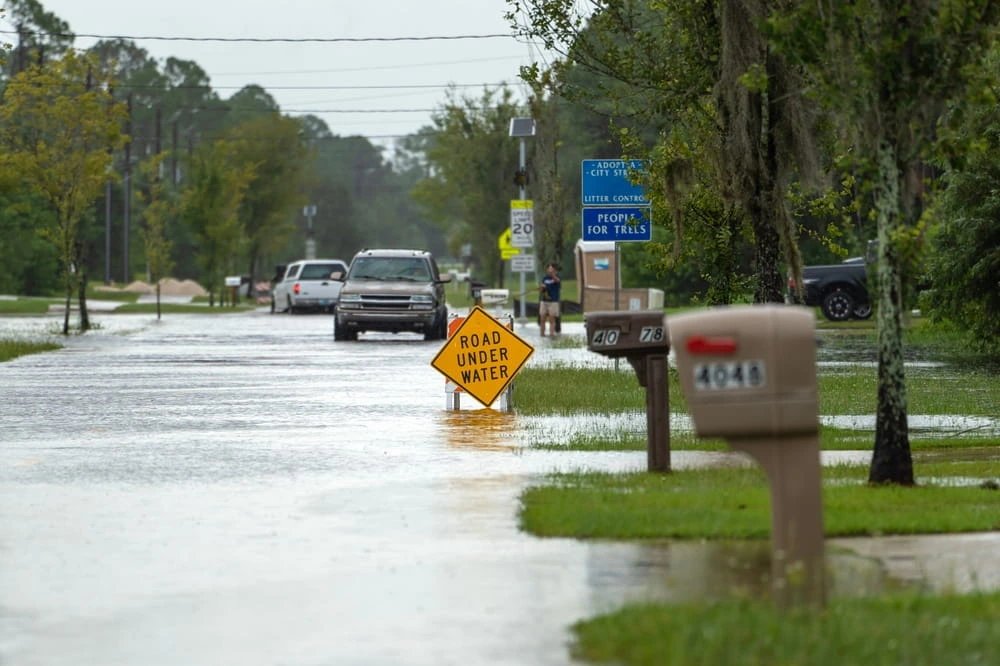
The most common Charleston-area flood claims I see on auto policies aren't from hurricanes, they're from drivers underestimating water depth at flooded intersections. Downtown, West Ashley, and James Island all have known low-lying spots that flood regularly in heavy rain. A single drive through water deeper than you thought can total a vehicle, because once water gets into the engine, transmission, or electrical system, the car is often not economically repairable.
Comprehensive is the coverage that activates in these scenarios. For Lowcountry drivers, this is arguably the strongest argument for keeping comprehensive even on older paid-off vehicles.
Bonus: Why Charleston Drivers Should Re-Read Their Policy Every Year
The common thread in all ten of these questions is the same: most drivers don't know what's actually in their auto policy until something happens. By then it's too late to add coverage that would have applied to the loss.
Re-reading your dec page and talking through coverage questions with a licensed agent once a year, ideally 30-45 days before renewal, is the single cheapest form of protection you can give yourself. It costs nothing, it takes 20 minutes, and it's how you find out whether the policy you bought three years ago still fits your current vehicle, household, and risk exposure.
👉 Request a coverage review → or call (843) 793-3168. We'll pull your current dec page, walk through what's actually covered, and tell you honestly whether adjustments make sense.
Frequently Asked Questions
Does auto insurance cover hail damage in the Lowcountry?
Yes, hail damage is typically addressed by the comprehensive coverage portion of an auto policy, subject to your deductible and policy terms. Liability-only policies do not address hail damage. Given how frequently coastal SC experiences severe weather, comprehensive is often one of the more valuable pieces of coverage for Charleston-area drivers. Coverage terms vary by policy.
Does auto insurance cover a cracked windshield?
Glass damage is generally addressed under the comprehensive coverage portion of an auto policy. Some carriers offer a separate glass deductible or glass waiver that may allow repair at no cost, though full replacement typically still requires meeting the standard deductible. Terms vary by carrier.
Does auto insurance cover theft of my car?
Theft is one of the core events comprehensive coverage is designed to address, including theft of the entire vehicle and damage caused during a break-in attempt. However, personal belongings stolen from inside the vehicle are typically addressed by homeowners or renters insurance, not auto insurance.
Does auto insurance follow the car or the driver in South Carolina?
In South Carolina, auto insurance generally follows the car. If you lend your vehicle to someone and they cause an accident, your policy is typically the first to respond, subject to permissive use rules. The other driver's policy may act as secondary coverage if damages exceed your policy limits.
Does my auto insurance cover rental cars?
Most personal auto policies extend coverage to rental vehicles used for personal purposes, carrying over your liability, collision, and comprehensive coverage. However, personal policies typically don't address loss of use fees, diminished value charges, or commercial-use rentals. Check your policy specifics and consider credit card rental benefits as a secondary layer.
Does credit score affect auto insurance rates in SC?
Yes. Insurance scoring is permitted in South Carolina, and most carriers use credit-based factors when pricing auto policies. A lower insurance score typically results in a higher premium. Drivers whose credit has improved should consider re-shopping their auto insurance, as a different carrier may offer better pricing based on current credit tier.
How long does it take to get auto insurance in South Carolina?
Auto insurance in SC can typically be bound the same day, often within 10-20 minutes. Digital proof of insurance is usually available immediately upon binding. Underwriting reviews for recent tickets, accidents, SR-22 requirements, or complex household situations can extend the timeline.
Can I get auto insurance with a suspended license?
Yes, though it typically requires an SR-22 or FR-44 filing — a certificate the carrier files with the SCDMV to verify financial responsibility. Not every carrier writes SR-22 policies, and premiums are generally higher for the duration of the filing requirement (usually three years in SC).
Does auto insurance cover hurricane flooding?
Comprehensive auto coverage is typically designed to help address flood damage to your vehicle from hurricanes, tropical storms, storm surge, and flooded intersections. This is separate from homeowners flood insurance, which addresses flood damage to your home. Both policies are often needed for comprehensive protection in coastal SC. Coverage terms vary.
What is a declaration page on an auto insurance policy?
A declaration page is the summary sheet of your auto policy listing the vehicles, drivers, coverages, limits, deductibles, premium, and endorsements. It's where every meaningful conversation about your coverage starts and is typically available as a PDF through your carrier's mobile app.
Get Clear Answers on Your Auto Policy — From a Local Charleston Agent
Cheri Nelson Insurance Agency is an independent agency based in Goose Creek, serving drivers across Charleston, Mount Pleasant, Summerville, North Charleston, West Ashley, James Island, Daniel Island, Hanahan, Moncks Corner, Isle of Palms, Sullivan's Island, and Folly Beach since 2013. We'll walk through your current policy, explain what's actually covered, and tell you honestly whether any adjustments make sense.
📞 Call (843) 793-3168
🚗 Request a Quote — Have someone call you
⚡ Fast Quote — Fill Out Your Information & Agent Will Call You Same Day/Next Business day after 3pm — subject to line and UW approval
📍 205 N Goose Creek Blvd, Goose Creek, SC 29445
Disclaimer
*The information in this article is provided for general educational purposes only and does not constitute insurance, legal, or financial advice. Coverage availability, terms, conditions, limits, and exclusions vary by policy, carrier, state, and individual underwriting. Policy descriptions are illustrative; actual coverage is governed by the policy contract. South Carolina insurance requirements and carrier practices are subject to change. For guidance on your specific situation, please speak with a licensed agent at Cheri Nelson Insurance Agency.
About the Author: Cheri Nelson
Cheri Nelson is the founder of Cheri Nelson Insurance Agency, an independent agency serving Charleston, Goose Creek, and the greater Lowcountry since 2013. Cheri works with personal auto, home, flood, umbrella, and business insurance carriers to help South Carolina clients build coverage that reflects their real situation.