

Restaurant Insurance in Charleston, SC: What You Actually Need (2026)
Running a restaurant, bar, food truck, or catering operation in the Charleston area means managing a long list of risks every single day. From kitchen fires and customer injuries to employee accidents and liquor-related incidents, the food service industry consistently ranks among the highest-risk categories for insurance claims in South Carolina. Whether you are opening your first food truck in North Charleston or managing a full-service dining room on King Street, understanding what restaurant insurance you may actually need is one of the most important steps you can take to protect your business.
The Charleston metro's booming food and hospitality scene has made the Lowcountry one of the most competitive restaurant markets in the Southeast. That growth also means more employees, more customer traffic, and more exposure to the types of claims that can put a restaurant out of business if the right coverage is not in place. Restaurant insurance is not a single policy. It is typically a combination of several coverage types tailored to the specific risks your food service operation faces.
This guide breaks down the major types of restaurant insurance available in the Charleston, Berkeley, and Dorchester county area, explains what South Carolina may require, covers how much restaurant insurance typically costs, and walks through the specific considerations for bars, food trucks, and catering businesses. As an independent agency, Cheri Nelson Insurance Agency works with multiple carriers to help restaurant owners compare options and find coverage that fits their operation and budget.
This article is for general informational purposes only, and coverage may vary by carrier, policy, and individual underwriting. Always review your policy documents carefully and consult with a licensed agent for guidance on your specific needs.
This is a general overview and not a complete list of coverages, limitations, or exclusions.
Why Restaurant Insurance Matters in the Charleston Area
The food service industry involves a combination of risks that few other industries face simultaneously. Hot cooking equipment, sharp tools, wet floors, heavy foot traffic, alcohol service, food safety regulations, and a physically demanding work environment all create exposure to claims that can escalate quickly. A single slip-and-fall injury, a foodborne illness complaint, or an alcohol-related incident has the potential to generate a significant liability claim against your business.
Charleston's coastal location adds another layer. Hurricanes, tropical storms, flooding, and power outages may cause property damage, spoil inventory, and force temporary closures that interrupt revenue. For restaurant owners who have invested heavily in build-outs, kitchen equipment, and inventory, an uninsured or underinsured property loss can be financially devastating.
Beyond the physical risks, South Carolina has specific regulatory and licensing requirements that may affect the types of insurance a restaurant needs to carry. Liquor licenses, health department compliance, workers compensation thresholds, and commercial lease agreements all play a role in shaping your coverage needs. Working with a local independent agent who understands the Charleston restaurant market may help you identify gaps before they become costly problems.
For a broader overview of commercial coverage types available to all small businesses in the area, see our complete guide to small business insurance in Charleston, SC.
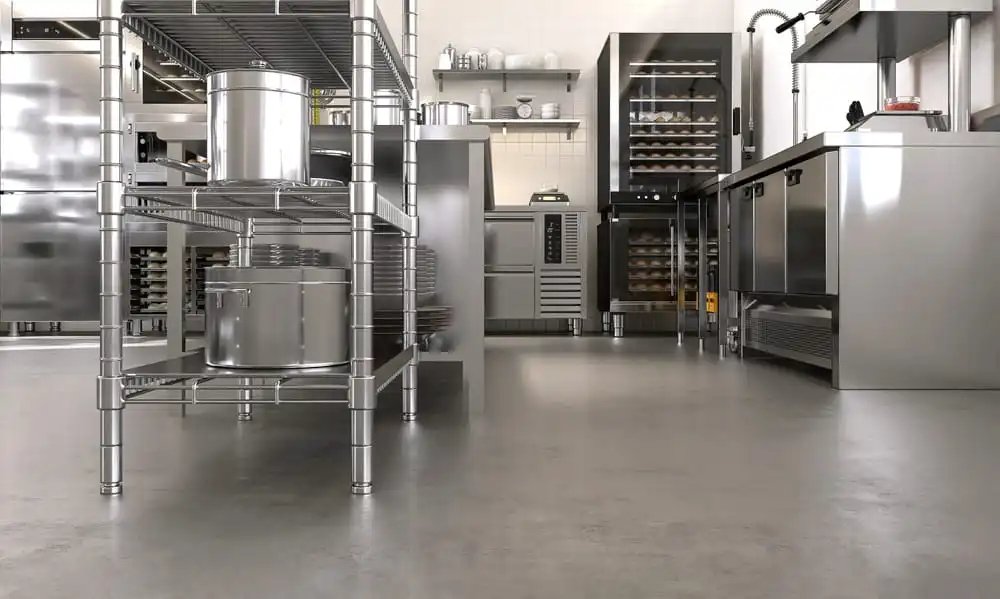
Types of Restaurant Insurance Coverage
Restaurant insurance is typically built from several individual coverage types, each designed to address a different category of risk. The right combination depends on the size and type of your operation, whether you serve alcohol, how many employees you have, and whether you own or lease your space. Below is a breakdown of the most common coverage types for restaurants, bars, and food service businesses in the Charleston area.
General Liability Insurance for Restaurants
General liability insurance. This is generally considered the foundation of any restaurant insurance program. Restaurant general liability insurance may help cover claims involving third-party bodily injury, property damage, or personal and advertising injury that occur on your premises or as a result of your operations, subject to policy terms, conditions, and limits.
For restaurants, some of the most common general liability claims involve customer slip-and-fall injuries, burns, allergic reactions, and damage to customer property. If a guest is injured on a wet floor in your Summerville dining room, or if a server accidentally damages a customer's belongings, general liability may help respond to those claims depending on the circumstances and policy language.
Most commercial landlords in the Charleston area require proof of general liability insurance before you can sign a lease. Coverage limits, exclusions, and costs vary by carrier, your restaurant's classification, annual revenue, and the specific policy you select. To understand how general liability compares to other types of business liability coverage, read our guide to general liability vs. professional liability.
Commercial Property Insurance for Restaurants
Commercial property insurance. Restaurant owners typically have significant investments in kitchen equipment, furniture, fixtures, signage, leasehold improvements, and inventory. Commercial property insurance may help protect those assets against covered perils such as fire, theft, vandalism, and certain weather events, subject to policy terms and exclusions.
In the Lowcountry, it is especially important to understand what your commercial property policy does and does not include regarding weather-related perils, as flood and windstorm coverage may require separate policies or endorsements depending on your carrier and location, as defined in the policy and subject to policy terms. Restaurants in flood-prone areas of James Island, West Ashley, and downtown Charleston may want to pay particular attention to whether additional flood coverage is appropriate for their situation.
Commercial property insurance cost for restaurants depends on the value of your building (if owned), contents, equipment, and inventory, your location, construction type, claims history, and the coverage limits and deductibles you select. Premiums vary significantly based on multiple factors and are subject to carrier underwriting.
Business Owners Policy (BOP) for Restaurants
Business owners policy. A BOP is a bundled insurance package that generally combines general liability and commercial property coverage into a single policy, often at a lower combined premium than purchasing each separately. Many carriers offer BOPs specifically structured for restaurants and food service businesses, and some allow endorsements for additional coverages such as business interruption, equipment breakdown, spoilage coverage, and hired and non-owned auto, subject to availability and underwriting.
A BOP may be a practical option for smaller restaurant operations, cafes, and food service businesses that meet the carrier's eligibility requirements. However, not every restaurant qualifies for a BOP, and larger operations or higher-risk classifications may need standalone policies with higher limits. Eligibility and available endorsements vary by carrier.
Workers Compensation Insurance for Restaurants
Workers compensation insurance. The restaurant industry consistently ranks among the highest-risk categories for workplace injuries in South Carolina. Burns, cuts, slips, falls, repetitive strain injuries, and lifting injuries are common in commercial kitchens and front-of-house operations. South Carolina generally requires businesses with four or more employees to carry workers compensation insurance, subject to current state guidelines and certain industry-specific exceptions.
Workers compensation for restaurants may help cover medical expenses, lost wages, and rehabilitation costs for employees who are injured on the job, subject to policy terms and state requirements. Given the physically demanding nature of restaurant work, this is a coverage area where adequate protection is especially important.
Workers comp cost for restaurants in South Carolina depends on your industry classification code, total payroll, number of employees, and claims history (experience modification rate). Restaurant classification codes generally carry higher rates per $100 of payroll than office-based businesses due to the elevated injury risk. Premiums vary significantly based on multiple factors and are subject to carrier underwriting.
Even if your restaurant has fewer than four employees, carrying workers compensation voluntarily may help protect both your staff and your business from the financial impact of a workplace injury. Many restaurant owners in the Charleston area also find that certain vendors, landlords, or franchise agreements require workers comp coverage regardless of employee count.
For a deeper look at workers compensation requirements, costs, and exemptions in South Carolina, read our detailed guide to workers comp for small businesses in SC. You can also visit the SC Workers Compensation Commission for current state guidelines.
Liquor Liability Insurance
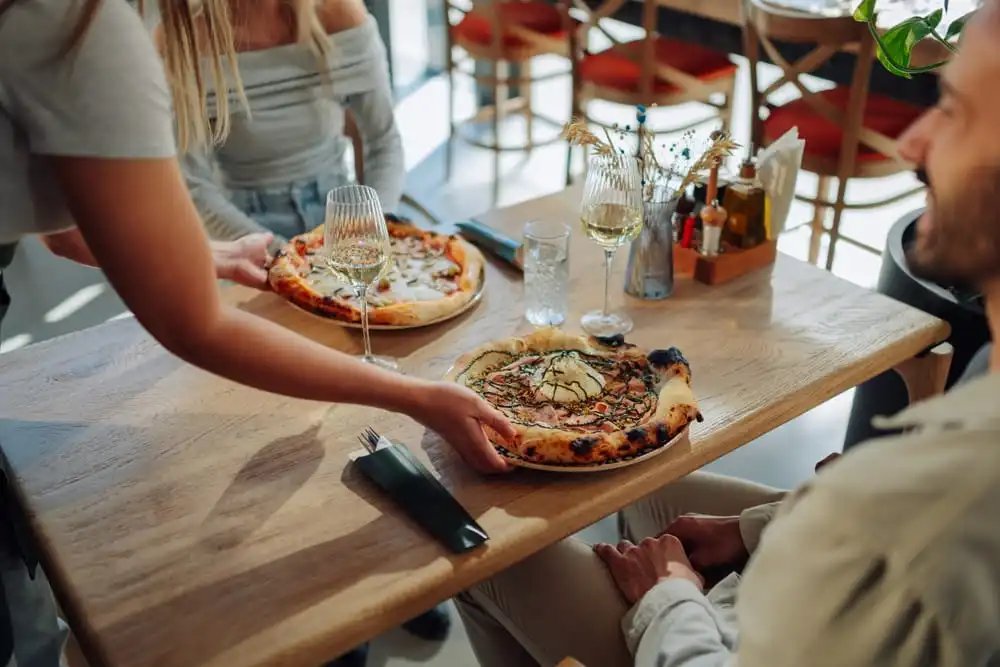
Liquor liability insurance. If your restaurant or bar serves, sells, or distributes alcohol, liquor liability insurance is one of the most important coverages to consider. South Carolina's dram shop laws may hold establishments liable for injuries or damages caused by intoxicated patrons, subject to state statutes and the specific circumstances of the incident. Liquor liability insurance may help cover claims arising from alcohol-related incidents, including bodily injury, property damage, and associated legal defense costs, subject to policy terms and exclusions.
Liquor liability insurance cost depends on factors including your annual alcohol sales, the type of establishment (bar vs. restaurant with alcohol service), your hours of operation, your claims history, and the coverage limits you select. Premiums vary significantly based on multiple factors and are subject to carrier underwriting. Establishments where alcohol is the primary revenue source, such as bars and nightclubs, generally see higher liquor liability premiums than restaurants where food is the primary offering.
Many commercial landlords and licensing authorities in the Charleston area may require proof of liquor liability coverage as a condition of your lease or liquor license. This coverage is typically written as a standalone policy or as an endorsement to your general liability or BOP, depending on your carrier.
Food Contamination and Spoilage Coverage
Food contamination and spoilage coverage. Restaurants carry significant perishable inventory, and a power outage, equipment failure, or contamination event can result in substantial financial losses. Food spoilage coverage may help reimburse the cost of inventory lost due to equipment breakdown, power failure, or other covered causes, subject to policy terms and exclusions. Food contamination liability coverage may help address claims and costs arising from a foodborne illness event, including product recall expenses and related liability claims, subject to policy terms.
In the Lowcountry, where hurricanes and tropical storms can cause extended power outages, spoilage coverage may be especially relevant for restaurants with large walk-in coolers, freezers, and perishable inventory. This coverage is often available as an endorsement to a BOP or commercial property policy, depending on your carrier.
Business Interruption Insurance for Restaurants
Business interruption insurance. If a covered event such as a fire, storm, or other insured peril forces your restaurant to temporarily close, business interruption coverage may help replace lost income and cover continuing expenses such as rent, payroll, and loan payments during the closure period, subject to policy terms, waiting periods, and coverage limits. For Charleston-area restaurants that depend on consistent daily revenue, even a short closure can create significant financial strain.
Business interruption coverage is generally not sold as a standalone policy. It is typically included in or added as an endorsement to a BOP or commercial property policy, subject to carrier availability and underwriting. The specific triggers, waiting periods, and coverage limits vary by policy and carrier.
Commercial Auto Insurance for Restaurants
Commercial auto insurance. If your restaurant operates delivery vehicles, catering vans, or food trucks, commercial auto insurance may be necessary to help cover liability and physical damage claims arising from business vehicle use. Personal auto policies generally do not cover vehicles used primarily for commercial purposes, and relying on personal coverage for business vehicle use may leave significant gaps, subject to policy definitions and carrier guidelines.
For restaurants that use employee-owned vehicles for deliveries or catering runs, a hired and non-owned auto endorsement may help cover liability claims arising from the business use of those vehicles, subject to policy terms. Commercial auto insurance cost depends on the number and type of vehicles, driver records, annual mileage, and the coverage limits and deductibles you select. Premiums vary significantly based on multiple factors and are subject to carrier underwriting.
Commercial Umbrella Insurance for Restaurants
Commercial umbrella insurance. Restaurants face a higher-than-average exposure to large liability claims due to the combination of heavy foot traffic, alcohol service, and workplace injury risk. A commercial umbrella policy generally provides an additional layer of liability coverage above and beyond the limits of your underlying policies such as general liability, liquor liability, commercial auto, and employers liability, subject to policy terms and the limits of your underlying coverage.
For restaurants with high customer volume, late-night hours, or significant alcohol sales, an umbrella policy may help provide an additional buffer of financial protection against catastrophic claims. Umbrella coverage cost is often more affordable than restaurant owners expect relative to the additional coverage it provides. Premiums vary significantly based on multiple factors and are subject to carrier underwriting.
Need help figuring out what coverage your restaurant may need?Request a free quote or contact us to speak with a licensed agent who understands the Charleston restaurant market.
Food Truck Insurance in Charleston, SC
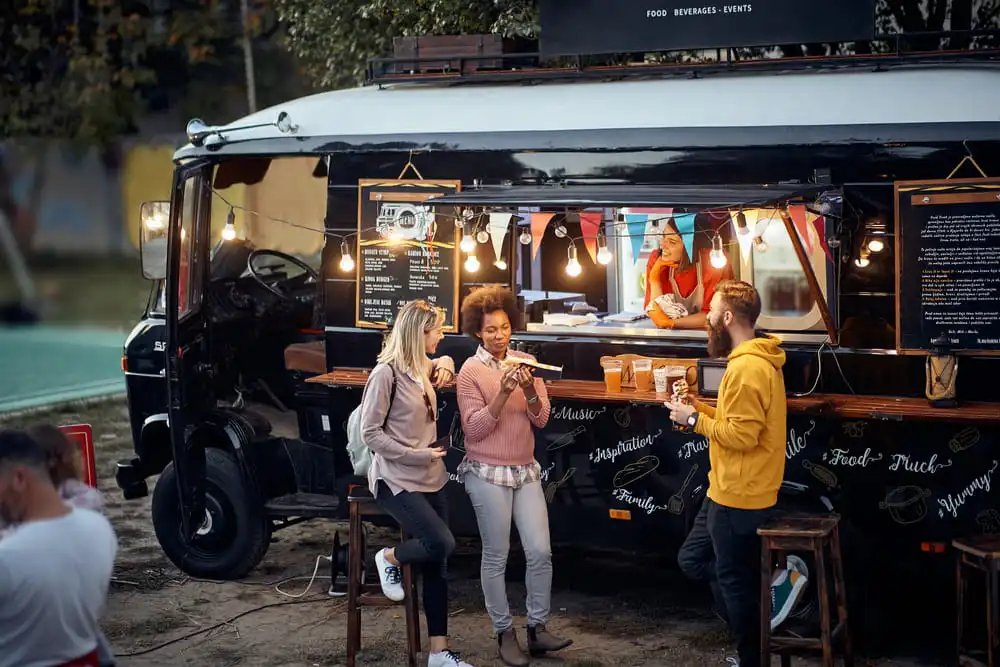
Food trucks have become a significant part of the Charleston food scene, operating at events, breweries, office parks, and street locations across the metro area. Food truck insurance shares many of the same coverage needs as a brick-and-mortar restaurant, but there are some important differences.
General liability. Just like a traditional restaurant, food truck operators generally need general liability coverage to help address claims involving customer injuries or property damage at your service location, subject to policy terms and limits.
Commercial auto. Because a food truck is a vehicle, commercial auto insurance is generally required. This coverage may help address both the liability and physical damage risks associated with operating and driving the truck, subject to policy terms. South Carolina requires minimum liability limits for all registered vehicles.
Commercial property and inland marine. The cooking equipment, generators, point-of-sale systems, and other equipment inside your food truck may need to be covered by a commercial property or inland marine policy, depending on how and where the equipment is used. Standard commercial property policies may not adequately cover equipment that is regularly transported and used at different locations, subject to policy definitions.
Workers compensation. If your food truck operation has four or more employees, South Carolina generally requires workers compensation coverage, subject to current state guidelines.
Liquor liability. If your food truck serves alcohol (at permitted events, for example), liquor liability coverage may be necessary depending on your operation and local permitting requirements.
Food truck insurance cost depends on the value of the truck and equipment, the coverages you select, your operating locations, and your claims history. Premiums vary significantly based on multiple factors and are subject to carrier underwriting. Food truck insurance in the Charleston area is generally structured as a commercial auto policy with additional endorsements or as a BOP-style package tailored to mobile food operations, depending on the carrier.
Bar Insurance in South Carolina
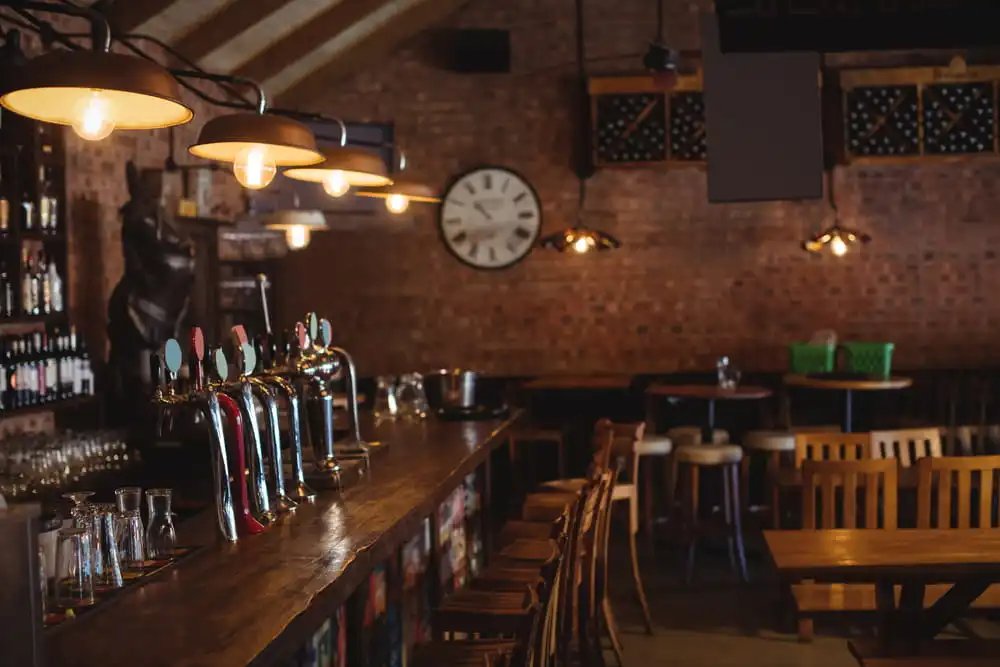
Bars, taprooms, breweries, and nightclubs in South Carolina face heightened liability exposure compared to restaurants where food is the primary offering. The combination of alcohol as the primary revenue source, late-night hours, and a social atmosphere may increase the risk of alcohol-related incidents, altercations, and customer injury claims.
Liquor liability. This is typically the most critical coverage for a bar. South Carolina's dram shop laws may create liability for establishments that serve alcohol to visibly intoxicated individuals or minors who subsequently cause injury or damage. Liquor liability premiums for bars and nightclubs are generally higher than for restaurants, reflecting the elevated risk profile. Premiums vary significantly based on multiple factors and are subject to carrier underwriting.
Assault and battery coverage. Some general liability and liquor liability policies exclude claims arising from assault and battery incidents. Bars and nightclubs may want to verify whether their policies include or exclude this type of claim and consider additional coverage if needed, subject to carrier availability and policy terms.
Entertainment and live music coverage. If your bar hosts live music, DJs, or entertainment events, additional coverage may be needed to address the risks associated with those activities, including crowd management and equipment liability, subject to policy terms.
Bar insurance cost in South Carolina depends on your annual revenue, alcohol sales volume, hours of operation, entertainment activities, claims history, and the coverage types and limits you select. Premiums vary significantly based on multiple factors and are subject to carrier underwriting. Working with an independent agent who has experience placing bar and nightclub coverage may help you find carriers willing to write these higher-risk operations.
How Much Does Restaurant Insurance Cost in South Carolina?
Restaurant insurance cost is one of the most common questions food service owners ask, and the answer depends on several factors specific to your operation. There is no single average that applies across all restaurant types and sizes, and premiums vary significantly based on multiple factors and are subject to carrier underwriting.
Some of the factors that generally influence restaurant insurance pricing include your annual revenue, the number of employees, your industry classification, whether you serve alcohol, your claims history, the value of your property and equipment, your location, and the coverage types, limits, and deductibles you select.
Here is a general sense of how individual coverage costs may break down for restaurants, keeping in mind that actual premiums vary significantly by operation and are subject to carrier underwriting.
General liability insurance cost. Restaurant general liability premiums generally depend on your annual revenue, location, classification, and coverage limits. Higher-volume restaurants and those with bars or late-night service generally see higher premiums than smaller cafes or counter-service operations. Actual costs depend on your specific risk profile and carrier.
Workers compensation insurance cost. Restaurant workers comp premiums are generally calculated based on your industry classification code and total payroll. Kitchen staff, servers, and delivery drivers may each carry different classification rates. Your experience modification rate (claims history) also significantly impacts your premium.
Liquor liability insurance cost. Premiums depend heavily on your annual alcohol sales, the type of establishment, and your claims history. A full-service restaurant with a modest bar program will generally see lower liquor liability premiums than a standalone bar or nightclub with alcohol as the primary revenue source.
Commercial property insurance cost. Pricing depends on the value of your building (if owned), equipment, furniture, inventory, and leasehold improvements, as well as your location, construction type, and local risk factors.
Many carriers may offer multi-policy discounts when you bundle restaurant coverages together, such as combining general liability, commercial property, and workers compensation under a single carrier or package. Discount availability and amounts vary by carrier.
The most effective way to understand your specific restaurant insurance cost is to request a quote from an independent agency that can compare options from multiple carriers. At Cheri Nelson Insurance Agency, we work with carriers that specialize in restaurant and food service coverage and can help you find competitive pricing for your specific operation.
Choosing the Right Restaurant Insurance for Your Business
Selecting the right insurance program for your restaurant starts with understanding your specific risks and regulatory requirements. Here are some considerations that may help you evaluate your coverage needs.
Know your alcohol exposure. If you serve alcohol, liquor liability coverage is generally one of the most important policies you can carry. Review your alcohol sales volume, service hours, and whether your liquor license requires proof of coverage.
Account for your employee count and roles. Restaurants with four or more employees in South Carolina generally need workers compensation coverage. Even below that threshold, the physical nature of restaurant work makes voluntary coverage worth considering. As your staff grows, your payroll-based workers comp premiums and overall liability exposure will generally increase.
Review your lease agreement. Most commercial landlords in the Charleston area specify minimum insurance requirements in the lease, including coverage types, limits, and additional insured status. Review your lease before purchasing coverage to make sure your policies meet those requirements.
Consider your delivery and catering operations. If you operate delivery vehicles, food trucks, or off-site catering, you may need commercial auto coverage and potentially higher general liability limits to address the risks associated with operations outside your primary location.
Protect your equipment investment. Commercial kitchen equipment, refrigeration systems, POS systems, and custom build-outs represent significant capital. Make sure your property coverage adequately reflects the replacement cost of these assets, subject to policy terms and carrier guidelines.
Work with an independent agent. An independent agency has access to multiple carriers and can compare restaurant insurance options, pricing, and policy features on your behalf. The best restaurant insurance depends on your specific operation, risk profile, and carrier availability. At Cheri Nelson Insurance Agency, we help restaurant owners across Goose Creek, Charleston, Summerville, North Charleston, Mount Pleasant, and the surrounding area find the right combination of coverages. Visit our insurance companies page to see some of the carriers we work with.
For more on how to structure a complete commercial insurance program for your business, see our complete guide to small business insurance in Charleston, SC or visit our business insurance service page.
Frequently Asked Questions About Restaurant Insurance in Charleston, SC
What types of insurance does a restaurant need in South Carolina?
The types of insurance a restaurant may need generally depend on the size of the operation, whether alcohol is served, the number of employees, and the specific risks the business faces. Common restaurant insurance coverages include general liability, commercial property, workers compensation, liquor liability, business interruption, food spoilage, commercial auto (for delivery or catering operations), and commercial umbrella. Many restaurants in the Charleston area may benefit from a combination of these coverages, and some may be required by South Carolina law, lease agreements, or licensing requirements. A licensed agent can help you evaluate your specific needs.
How much does restaurant insurance cost in South Carolina?
Restaurant insurance cost varies significantly based on multiple factors including your annual revenue, employee count, alcohol sales, claims history, location, and the coverage types, limits, and deductibles you select. A small cafe in Moncks Corner will generally see different pricing than a high-volume downtown Charleston restaurant with a full bar program. The most effective way to understand your specific cost is to request a quote from an independent agency that can compare options from multiple carriers.
Do restaurants in SC need workers compensation insurance?
South Carolina generally requires businesses with four or more employees to carry workers compensation insurance, subject to current state guidelines and certain industry-specific exceptions. Given that the restaurant industry has one of the highest rates of workplace injuries, many restaurant owners with fewer than four employees choose to carry coverage voluntarily. You can verify current requirements through the SC Workers Compensation Commission. For more details, read our workers comp guide for SC small businesses.
What is liquor liability insurance and do I need it?
Liquor liability insurance may help cover claims arising from alcohol-related incidents involving patrons of your establishment, including bodily injury, property damage, and legal defense costs, subject to policy terms and exclusions. South Carolina's dram shop laws may hold establishments liable for injuries or damages caused by intoxicated patrons, subject to state statutes and the specific circumstances. If your restaurant or bar serves, sells, or distributes alcohol, liquor liability coverage is generally one of the most important policies you can carry.
What insurance does a food truck need in Charleston, SC?
Food truck insurance typically includes a combination of commercial auto insurance (for the truck itself), general liability (for customer-facing operations), commercial property or inland marine (for equipment), and workers compensation (if you have four or more employees). If you serve alcohol at permitted events, liquor liability coverage may also be needed. Coverage needs and costs vary based on the value of your truck and equipment, your operating locations, and your specific operation. Premiums vary significantly based on multiple factors and are subject to carrier underwriting.
Does my restaurant need business interruption insurance?
Business interruption insurance may help replace lost income and cover continuing expenses if a covered event forces your restaurant to temporarily close. In the Lowcountry, where hurricanes, flooding, and storm-related power outages can shut down operations for days or longer, this coverage may be especially relevant. Business interruption coverage is generally added as an endorsement to a BOP or commercial property policy, subject to carrier availability. The specific triggers, waiting periods, and coverage limits vary by policy and carrier.
What is the difference between general liability and liquor liability for restaurants?
General liability insurance may help cover a broad range of third-party claims including slip-and-fall injuries, property damage, and personal injury, subject to policy terms. Liquor liability insurance specifically addresses claims arising from alcohol-related incidents, such as injuries caused by an intoxicated patron after leaving your establishment. Some general liability policies include limited liquor liability coverage, while others exclude it entirely. If alcohol is a significant part of your operation, a standalone liquor liability policy or endorsement may provide more appropriate protection, subject to carrier availability and policy terms, as defined in the policy and subject to policy terms.
How do I get a restaurant insurance quote in the Charleston area?
You can request a free quote online or call Cheri Nelson Insurance Agency at (843) 793-3168. As an independent agency based in Goose Creek, SC, we work with multiple insurance companies that write restaurant and food service coverage and can help you compare options for your specific operation. Whether you need a general liability quote, workers comp quote, liquor liability quote, or a full restaurant insurance package, our team can walk you through the options. You can also visit our office at 205 N. Goose Creek Blvd., Suite 106, or reach us through our contact page.
Protect your Charleston-area restaurant with the right coverage. Call Cheri Nelson Insurance Agency today at (843) 793-3168 or request a free quote online. Our team is here to help you compare restaurant insurance options from multiple carriers and find coverage that fits your operation and budget.
The information in this article is provided for general educational purposes only and does not constitute insurance, legal, or financial advice. Coverage availability, terms, conditions, limits, and exclusions vary by policy, carrier, state, and individual underwriting. Policy descriptions are illustrative; actual coverage is governed by the policy contract. South Carolina insurance requirements and carrier practices are subject to change. No specific savings, premium reductions, or coverage outcomes are guaranteed. For guidance on your specific situation, please speak with a licensed agent at Cheri Nelson Insurance Agency.